.png)
Food Management Strategies for Large Events: Mastering Event Food Management

Updated: Sep 19
Planning food for a large event can feel like a massive puzzle. You want everything to be perfect - the taste, the quantity, the timing, and the presentation. But how do you manage all these moving parts without losing your mind? Over the years, I’ve learned that large event catering management is all about smart planning, clear communication, and a bit of creativity. Whether you’re organizing a corporate gathering, a wedding, or a community festival, these strategies will help you serve delicious food smoothly and efficiently.
Understanding the Basics of Event Food Management
When it comes to managing food for a large event, the first step is understanding the guests profile along with scale and scope of your gathering. How many guests are you expecting? What kind of guests are expected? What kind of cuisine fits the occasion? Will the event be indoors or outdoors? These questions shape your entire food plan.
One key aspect is estimating the right amount of food. Over-ordering leads to waste and extra costs, while under-ordering can leave guests hungry and disappointed. A good rule of thumb is to consider the type of event and the duration. For example, a three-hour cocktail party requires less food per person than a full-day conference with multiple meals.
Another important factor is dietary preferences and restrictions. Nowadays, guests expect options for vegetarians, vegans, and those with allergies. Including a variety of dishes ensures everyone feels included and cared for.
Pro tip: Work closely with your caterer or chef to create a menu that balances variety, taste, and portion control. This collaboration is the backbone of successful event food management.
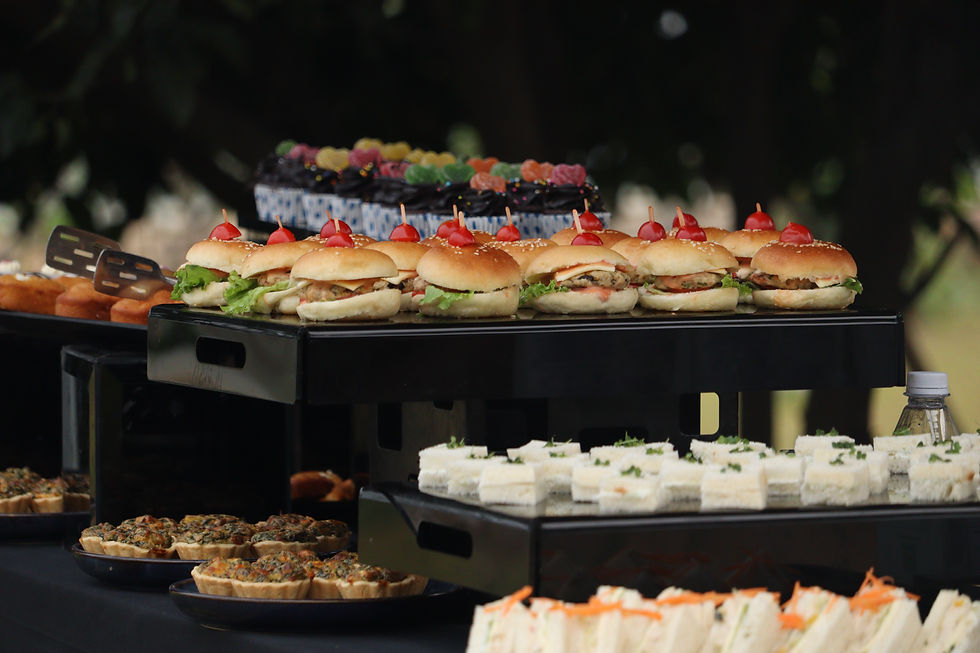
Key Elements of Effective Event Food Management
Managing food for a large event involves several critical elements. Let’s break them down:
1. Menu Planning and Customization
Tailor your menu to the event’s theme and guest preferences. For example, a traditional Indian wedding might feature regional specialties, while a corporate food catering could lean towards finger foods and light snacks. Customization helps create a memorable experience.
2. Vendor Coordination
If you’re working with multiple vendors - caterers, rental companies, and servers - clear communication is essential. Share your timeline, guest count, and special requests upfront. Regular check-ins prevent last-minute surprises.
3. Logistics and Timing
Food needs to be prepared, transported, and served at the right time and temperature. This requires detailed scheduling. For instance, hot dishes should be served promptly to maintain freshness, while cold items need proper refrigeration.
4. Staffing and Service Style
Decide whether you want buffet-style, plated service, or food stations. Each has pros and cons. Buffets allow guests to choose their portions but may cause queues. Plated service feels formal but requires more staff.
5. Waste Management
Large events can generate significant food waste. Plan for leftovers by donating to local charities or composting. This not only reduces waste but also reflects well on your event’s sustainability efforts.
By focusing on these elements, you can create a seamless food experience that delights guests and stays within budget.
What is the cheapest way to feed a large group of people?
Feeding a large crowd on a budget might seem daunting, but it’s definitely doable with the right approach. Here are some practical tips I’ve found effective:
Opt for buffet or family-style meals: These reduce the need for extensive serving staff and allow guests to take only what they want.
Choose seasonal and local ingredients: They are fresher, cheaper, and support local farmers.
Simplify the menu: Focus on a few well-prepared dishes rather than an elaborate spread. Think hearty dals, rice, and vegetable curries for Indian events.
Use bulk cooking methods: Large pots of stews, biryanis, or casseroles are cost-effective and easy to scale.
Limit expensive items: Avoid costly seafood or imported ingredients unless essential.
DIY stations: Set up a chaat or sandwich station where guests can customise their food. This adds fun and reduces waste.
Remember, cheap doesn’t mean low quality. With smart choices, you can serve tasty, satisfying meals without breaking the bank.

Leveraging Technology and Tools for Smooth Food Management
In today’s digital age, technology is no longer optional—it’s what separates chaotic events from seamlessly executed ones. The right tools can simplify coordination, improve visibility, and reduce last-minute surprises.
Here’s how modern event planners are doing it smarter:
Integrated event platforms: Tools that bring together guest lists, menu planning, and vendor communication in one place reduce back-and-forth and avoid miscommunication.
Real-time coordination tools: Live tracking of food preparation, dispatch, and service ensures everyone—from kitchen to service staff—is aligned.
Digital ordering & structured RFQs: Instead of endless calls and negotiations, structured request-for-quote systems allow you to compare multiple vendors, menus, and price points quickly and transparently.
Inventory & menu mapping tools: Especially for large events, mapping ingredients to menu items helps avoid shortages and improves planning accuracy.
Post-event insights & feedback loops: Understanding guest preferences and vendor performance helps refine future events.
Platforms like BookMyChef are building exactly around this need - bringing together vendor discovery, structured RFQs, and real-time coordination into a single ecosystem. Instead of managing multiple vendors manually, hosts can compare options, evaluate quotes, and make faster, more informed decisions.
The result? Better control, fewer surprises, and a smoother event experience.
Tips for Handling Unexpected Challenges in Food Management
Even the best-planned events come with surprises. The difference lies in how prepared you are to handle them.
Here’s how experienced planners stay ahead:
Keep backup vendors ready: Last-minute drop-offs or delays can happen—having alternate options ensures continuity.
Plan buffer quantities: A small surplus in food can prevent major guest dissatisfaction.
Train teams for real scenarios: From dietary restrictions to service delays, trained teams can handle situations calmly and professionally.
Maintain a strong communication chain: Quick decisions require quick access—ensure all stakeholders are reachable.
Stay flexible in execution: Sometimes, adapting the plan is more valuable than sticking rigidly to it.
This is where working with an aggregated network like BookMyChef - adds real value. Instead of relying on a single vendor, you gain access to multiple verified partners across categories, making it easier to find backups, scale up, or adjust services even at short notice.
Bringing It All Together for a Memorable Event
Managing food for a large event is both an art and a science. It requires thoughtful planning, strong coordination, and the ability to adapt in real time.
When you combine:
well-structured menus
clear communication with vendors
smart budgeting
and the right technology
- you don’t just serve food, you create an experience.
Today, platforms like BookMyChef are redefining how hosts approach event food management by making it easier to discover, compare, and book trusted chefs, caterers, and service teams in one place.
Because at its core, food at an event is more than just a necessity - it’s what brings people together, sparks conversations, and creates lasting memories.
With the right strategy and the right ecosystem supporting you, mastering event food management becomes not just achievable - but scalable.
Happy planning—and here’s to unforgettable gatherings.


Comments